On this page
The organisation
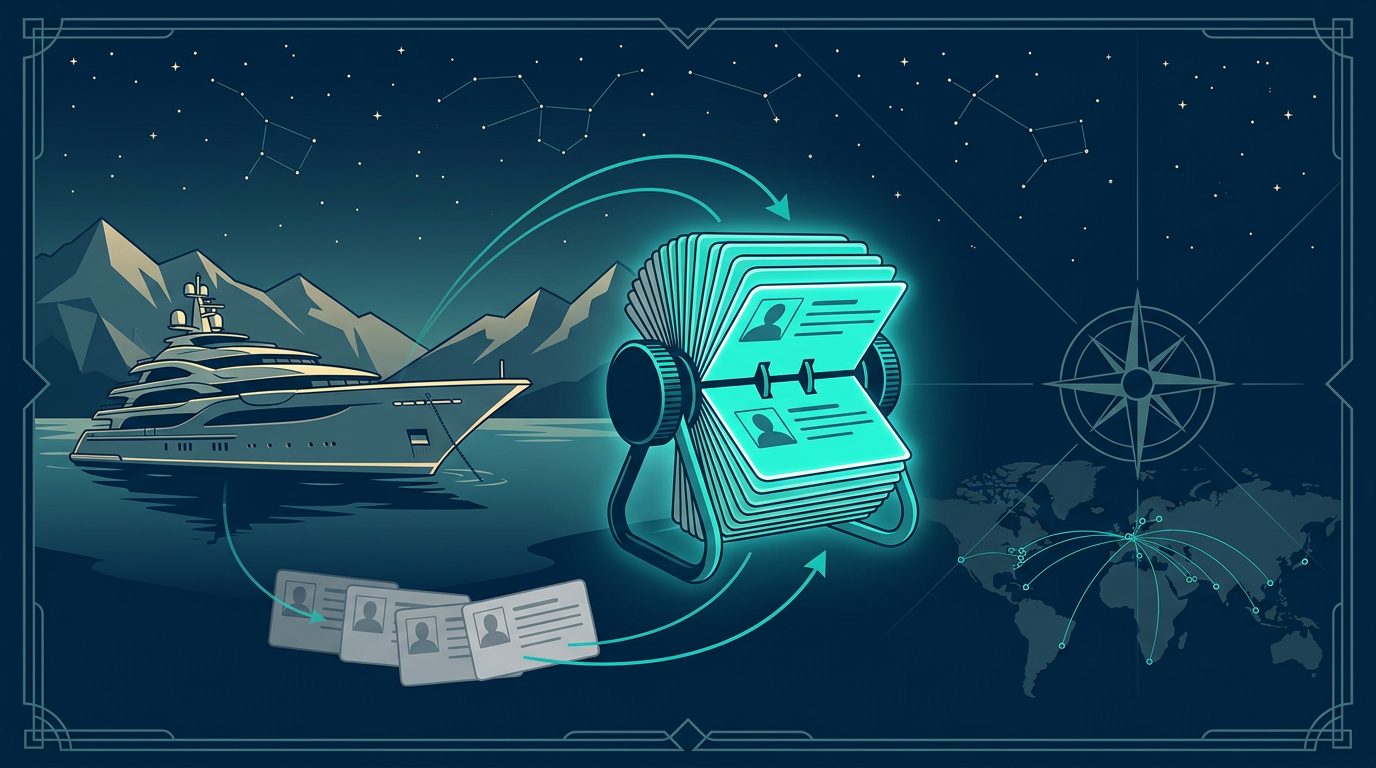
A maritime software company serving vessel operators globally. The platform manages maintenance, compliance, and operational records under ISM Code and Safety Management System obligations, used by captains, engineers, and shore-based management teams across the international fleet. Core onboarding workflow: extract vessel data from source documents, structure it within the platform. As vessel volumes grew, this step became the bottleneck.
The situation
OEM manuals. No standard structure. Each formatted to a different manufacturer's conventions, with data distributed across inconsistent layouts, tables, and formats. Operators locating and transferring data by hand, document by document, component by component. Time cost compounding with every vessel added. The question brought to Southern Sky AI: could AI take on that extraction work reliably, and at what accuracy level?
The work
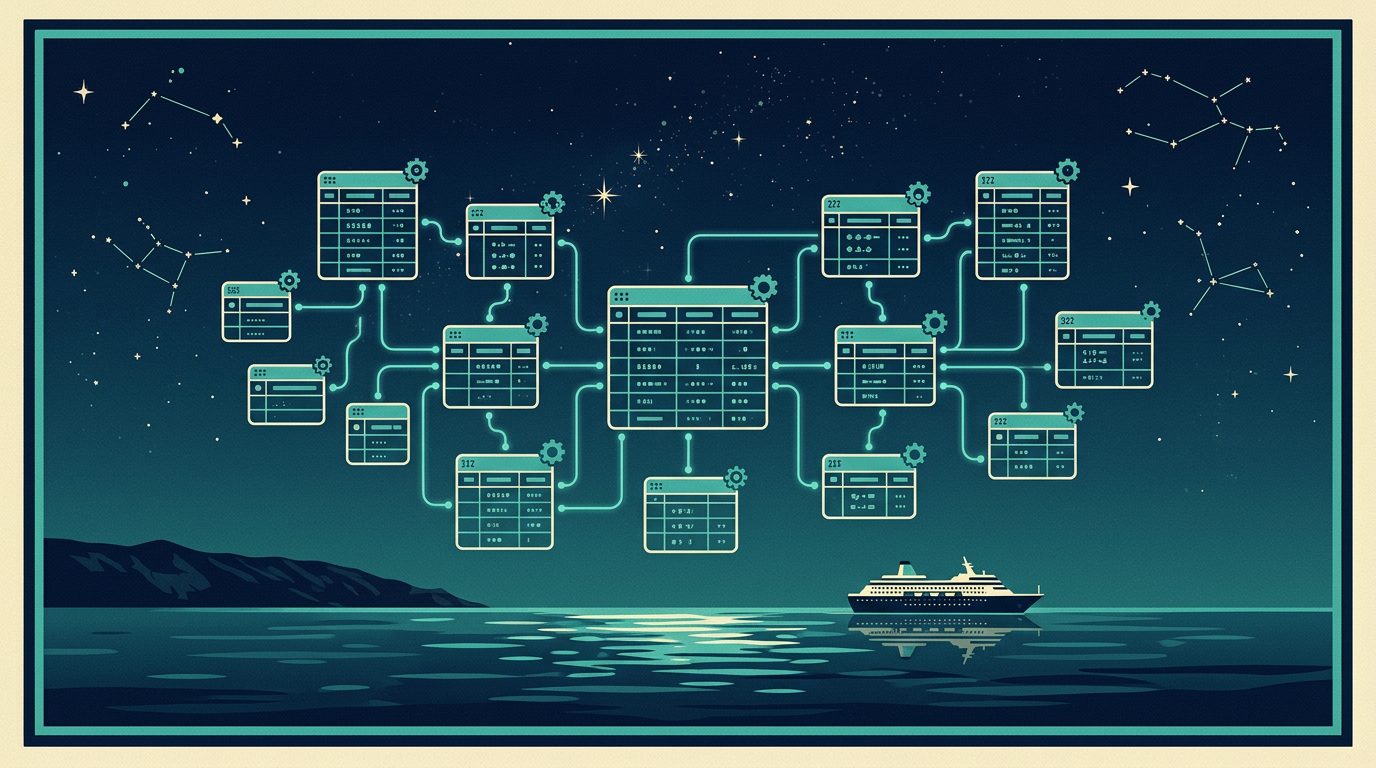
Working AI extraction system built in four weeks. Advanced AI reasoning model selected for its ability to parse unstructured formats and apply consistent structure to inconsistent inputs regardless of manufacturer layout. Parallel processing for multiple components simultaneously. Clean re-run logic so failed components could be retried without reprocessing completed work. Three operator touchpoints to minimise training requirements and reduce failure modes.
Five months of prototype testing against representative materials. The acceptance standard was held throughout rather than adjusted to match early results. That discipline produced the finding that made the engagement valuable beyond its original scope.
The outcome
Built and tested across a five-month prototype period, the system reached a measured 85% extraction precision on unstructured OEM manuals and surfaced safety and compliance information that manual review had missed, a finding with direct implications for Safety Management System obligations. The engagement closed with a full handover: the extraction workflows, documentation, training videos and credentials now sit with the client's own development team.
The standard applied
The acceptance standard was built into the engagement before a single line of the system was written. Holding that standard through five months of testing, rather than adjusting expectations to match early results, is what produced the finding. A defined benchmark, rigorously measured, is how an organisation learns what the technology can actually do and what it needs to do next.