On this page
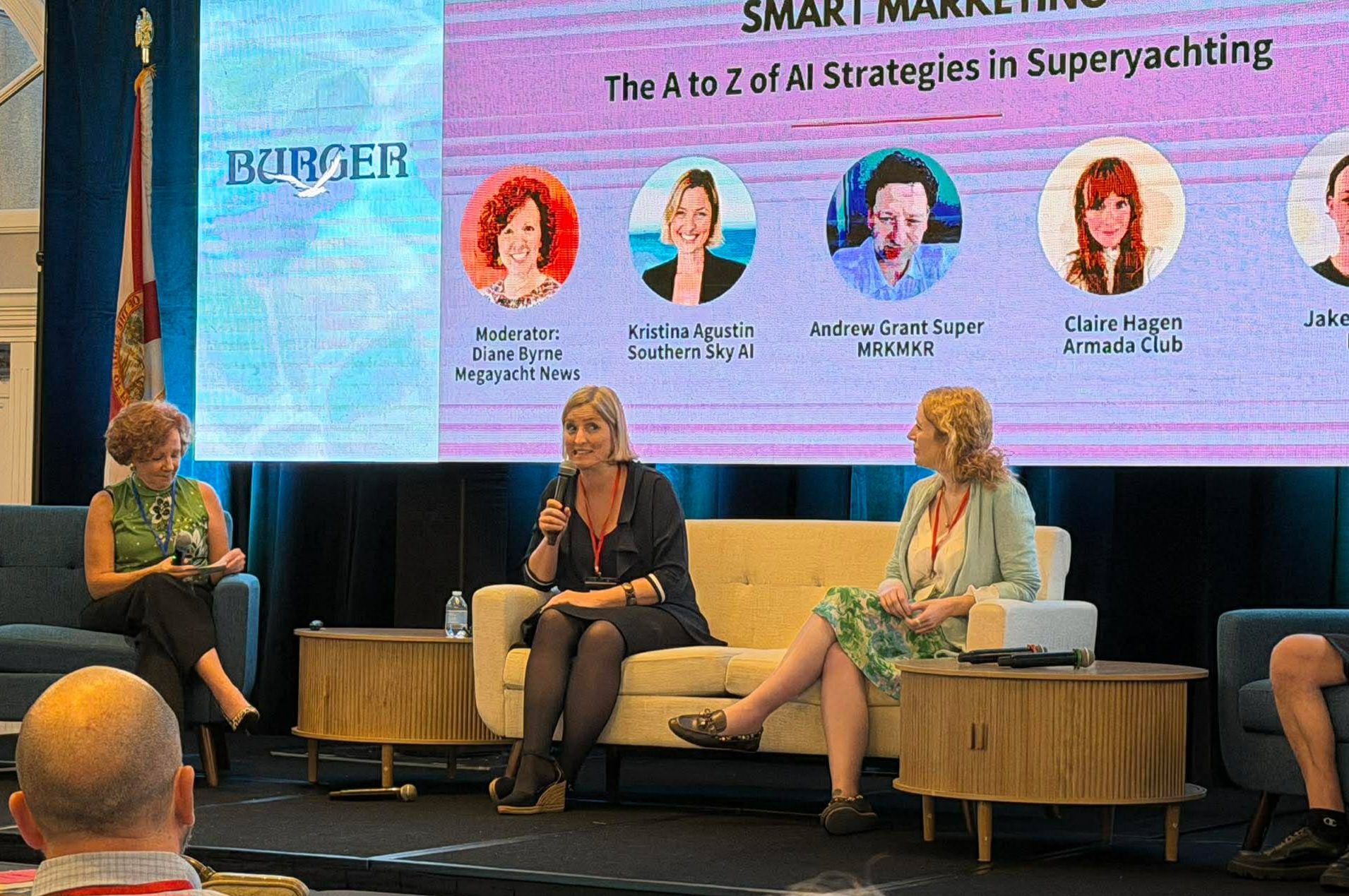
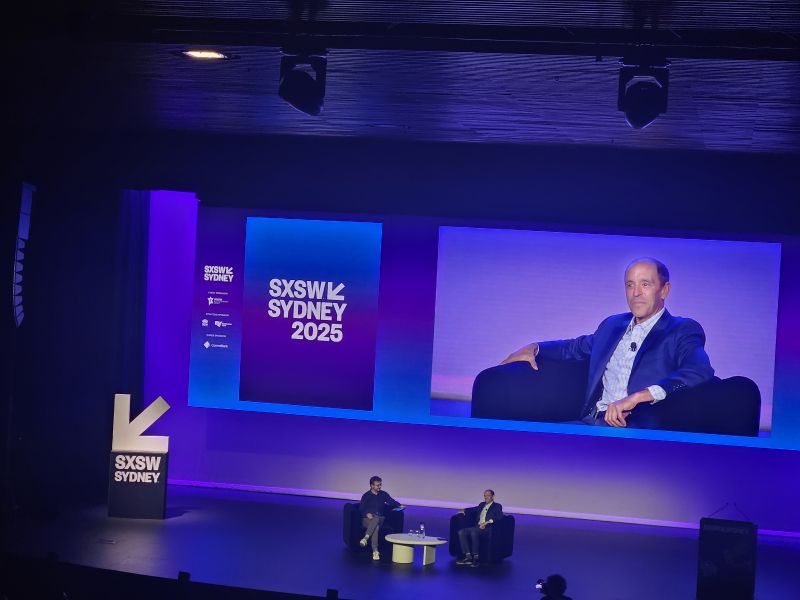
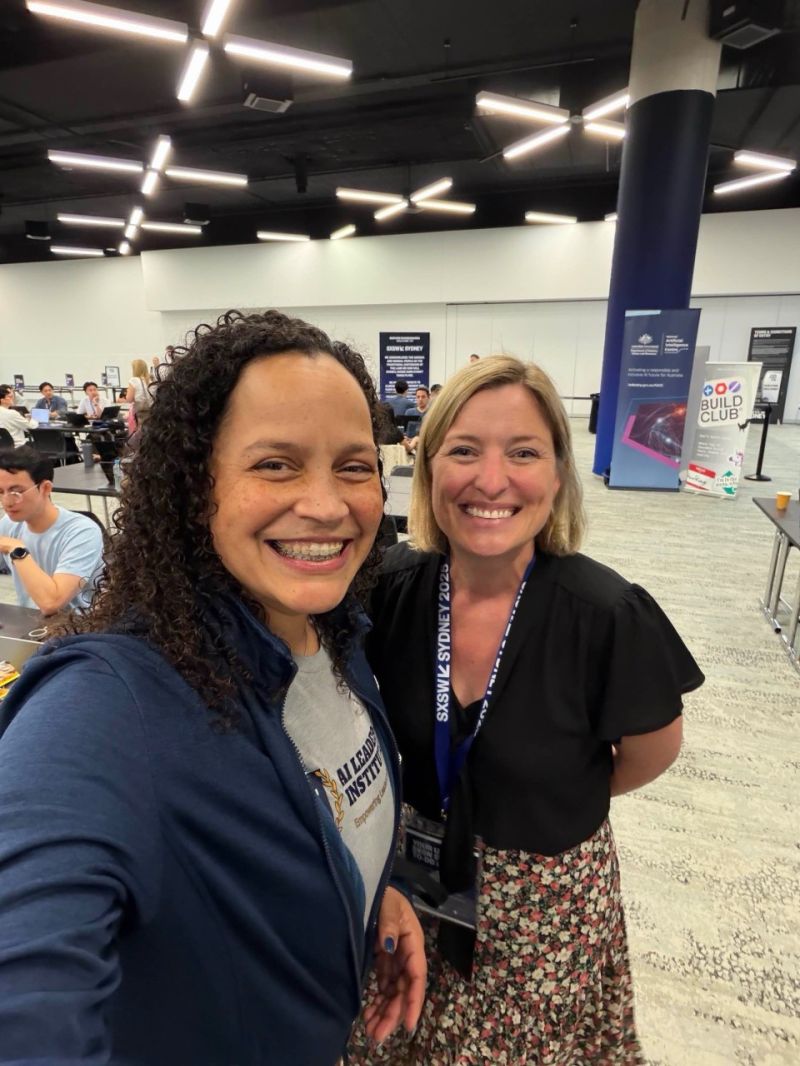
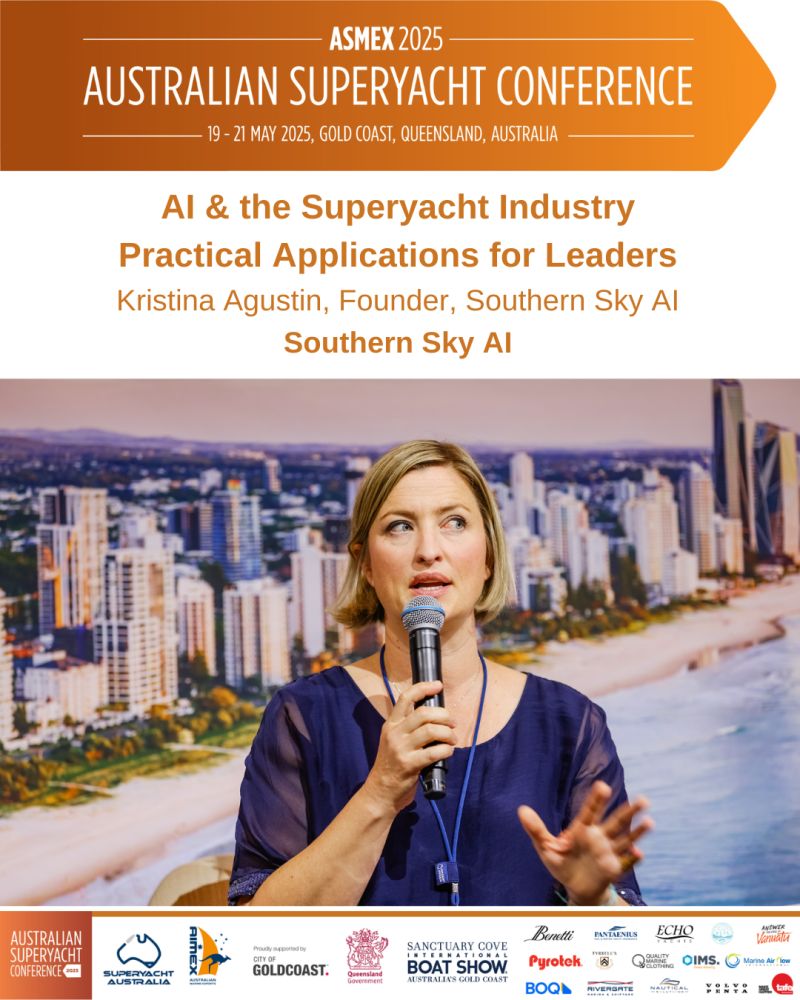
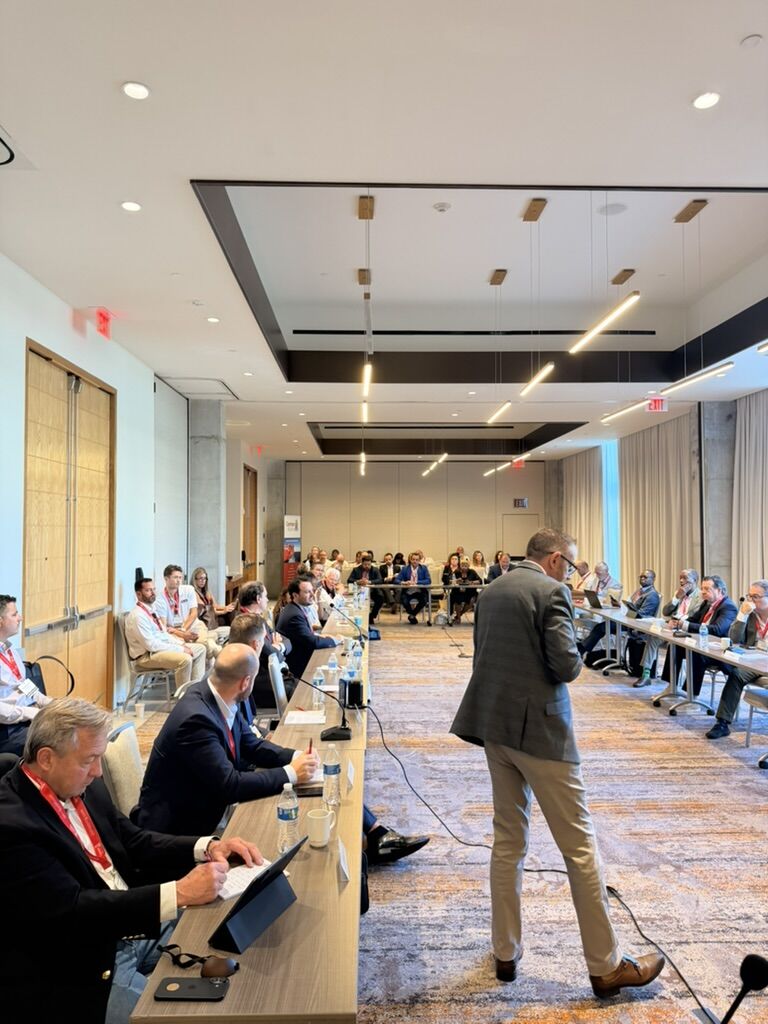
I joined the MARE Forum AI and Innovation panel in West Palm Beach last week and prepared this resource for the room. It is republished here for my wider network. For the companion reflections from the same week, see the USSA Superyacht Summit and ISS Leadership Series pieces.
AI is advancing faster than most organisations can evaluate it. Over the last 18 months working with maritime companies on AI adoption, I've noticed a few things that keep coming up.
01. Organisational AI is not a subscription.
Getting a subscription to a consumer chat interface (ChatGPT, Gemini, or any other large language model front-end) is exactly the right place to start as an individual. Learn, experiment, iterate.
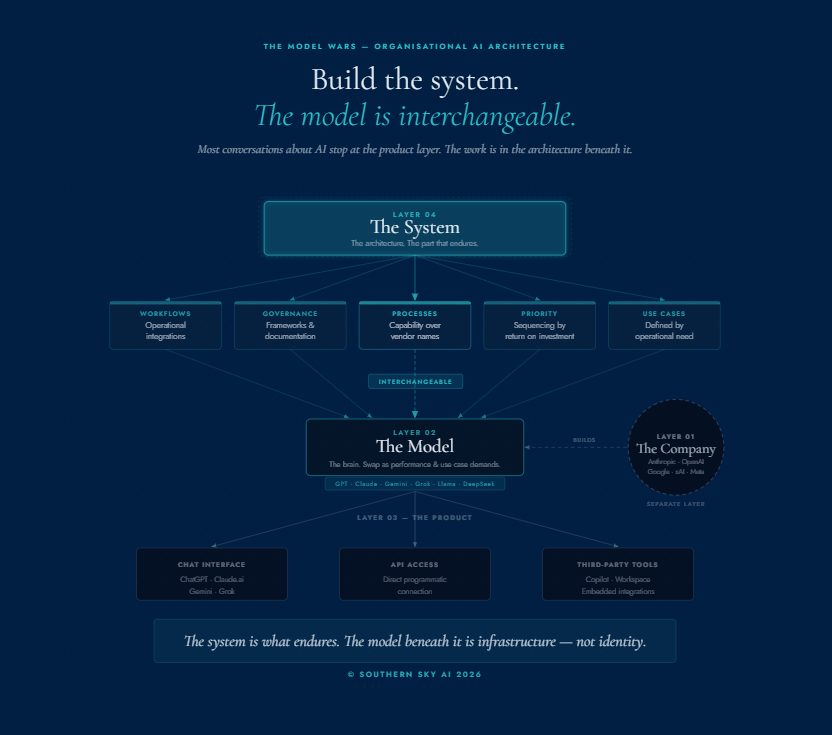
At an organisational level, we are doing something different. Think of the intelligence inside a large language model as the kitchen of a food truck. A consumer subscription is the front window: you order, it serves. Organisational AI is the side door. You are connecting that intelligence directly into a flow of tasks, at a completely different price model and a completely different level of integration.
We are not chatting with a large language model. We are plugging it into the way the business works.
02. Agentic AI means it takes action, not just answers.
An AI agent is not a fancy search engine. The difference is that it acts on your behalf.
A simple way to understand what an agent does is the DROID framework:
The DROID framework
- DECIDE
Understands the request and routes it to the right task.
- REACH OUT
Goes out to the tools and data sources it needs - APIs, software, files.
- ITERATE
Performs a task on that information. Takes action. Course-corrects if needed.
- DELIVER
Returns a structured result ready to act on.
The real value is not one question at a time. It is when you stitch these small processes together into a longer workflow, and decide along the way where a human reviews the workings before it continues. That is where organisations realise significant gains.
A simple agentic workflow in practice. The agent runs without manual input. The output lands structured and ready to act on.
03. Starting with implementation is not always the right first move.
When you automate processes and speed them up, the quality of the outcome depends entirely on the quality of the foundation underneath. If processes are built on misaligned data or disconnected systems, speed makes that worse, not better. You are not automating efficiency. You are automating chaos.
Why AI initiatives fail
The original article cites MIT, The GenAI Divide (2025): 95% of AI pilots failed to deliver meaningful operational value; 5% succeeded.
| Common failure | How the practice addresses it |
|---|---|
| Strategic Misalignment No clear link between AI initiative and business priorities. | Blueprint maps priorities Documented direction tied to real operational objectives from day one. |
| Poor Sequencing Rushing to deploy before understanding what should happen first. | Sequencing is built in Every roadmap establishes what happens first - and what does not happen yet. |
| Lack of Executive Ownership No leadership accountability for direction or outcomes. | Leadership interviews first Executive ownership is established before any recommendation is made. |
| Weak Workflow Integration Tools built in isolation from real operational processes. | Workflow & systems mapping Every recommendation is grounded in real operational processes. |
| No Ongoing Direction Initial plans abandoned as conditions and technology evolve. | Ongoing engagement preserves alignment Direction adapts as conditions and technology evolve over time. |
Figures as published on southernsky.ai, reviewed September 2026.
In my practice, I always start with a the Blueprint. It sets direction before anything is built. It maps what AI is in use, what obligations apply (ISM, MLC, GDPR, and whatever is specific to each organisation's subsector) and produces a defensible policy our clients can inspect and our industry can trust.
The governance piece is not a brake on progress. It is what makes progress defensible.
Published Research
AI Governance for the Superyacht Industry: What the frameworks say, how far they reach, and what organisations can do now. First edition, March 2026. Read the Report
If this raised questions for your organisation
The The Blueprint is the structured starting point for maritime organisations thinking seriously about AI adoption. It maps where you stand, what obligations apply, and what belongs first.
Book an introductory conversation. No commitment. Review scope, structure, and investment at your own pace.
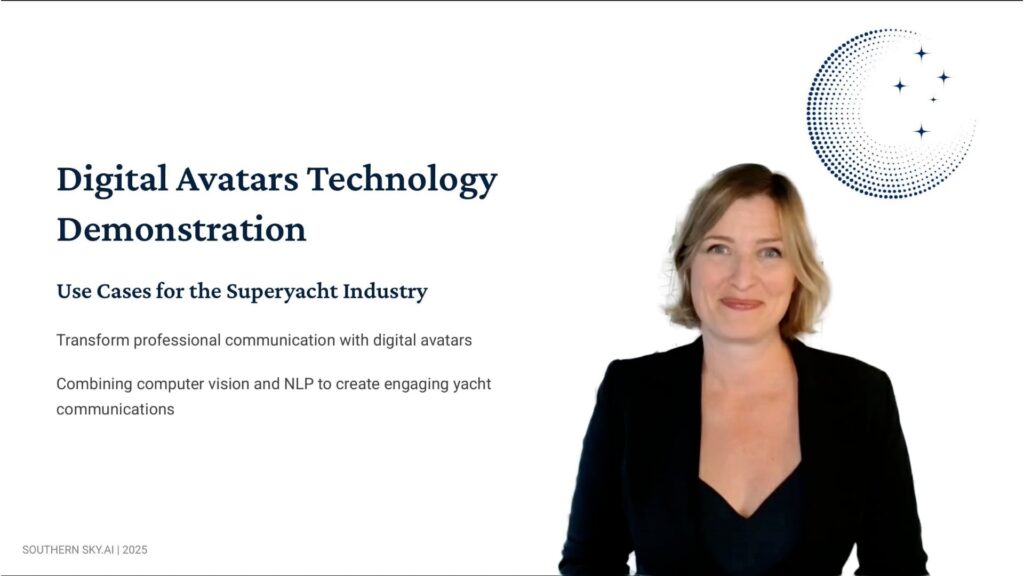
Kristina Agustin is the founder of Southern Sky AI, an AI strategy and deployment company for the superyacht and marine industry. southernsky.ai