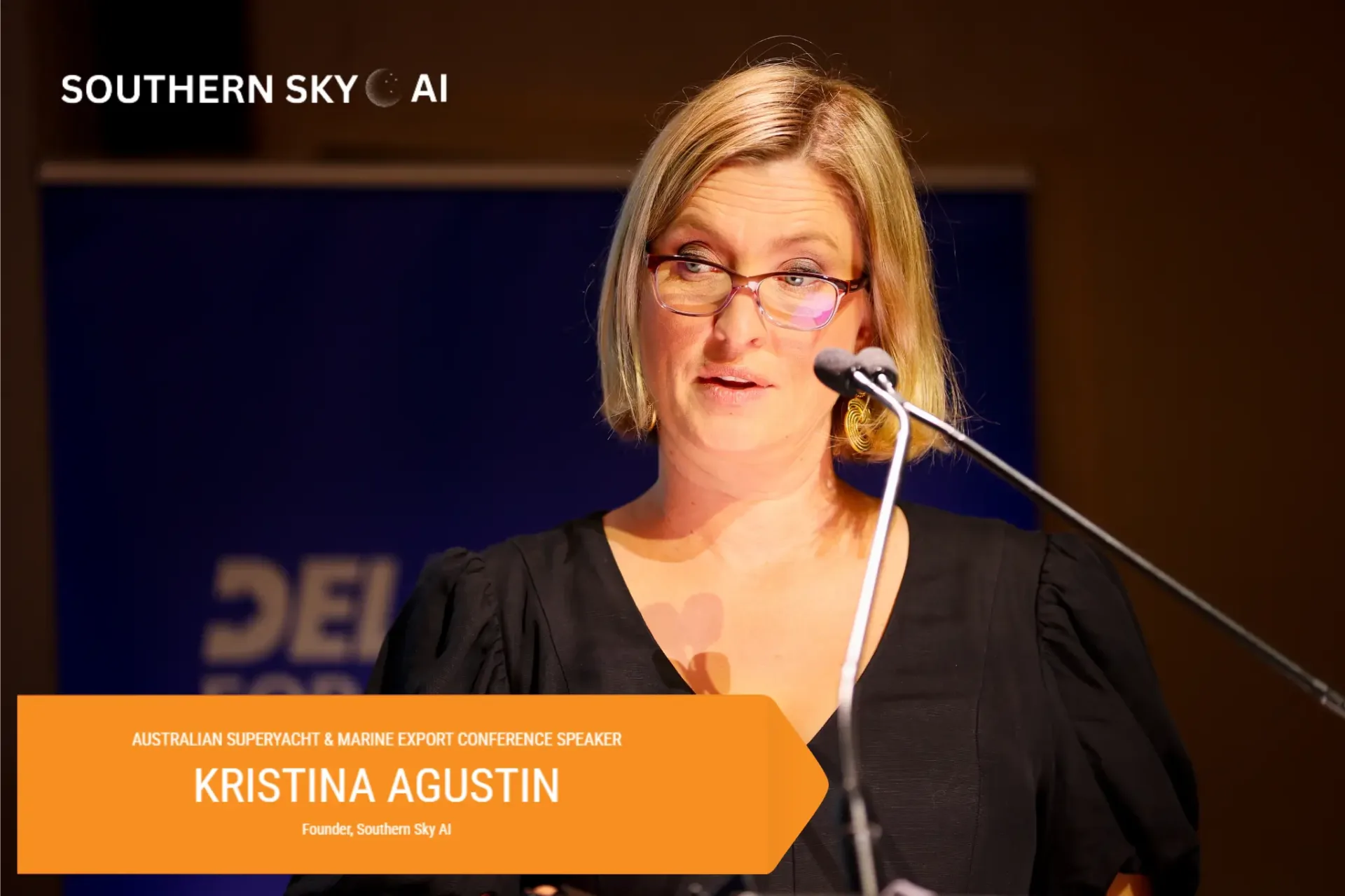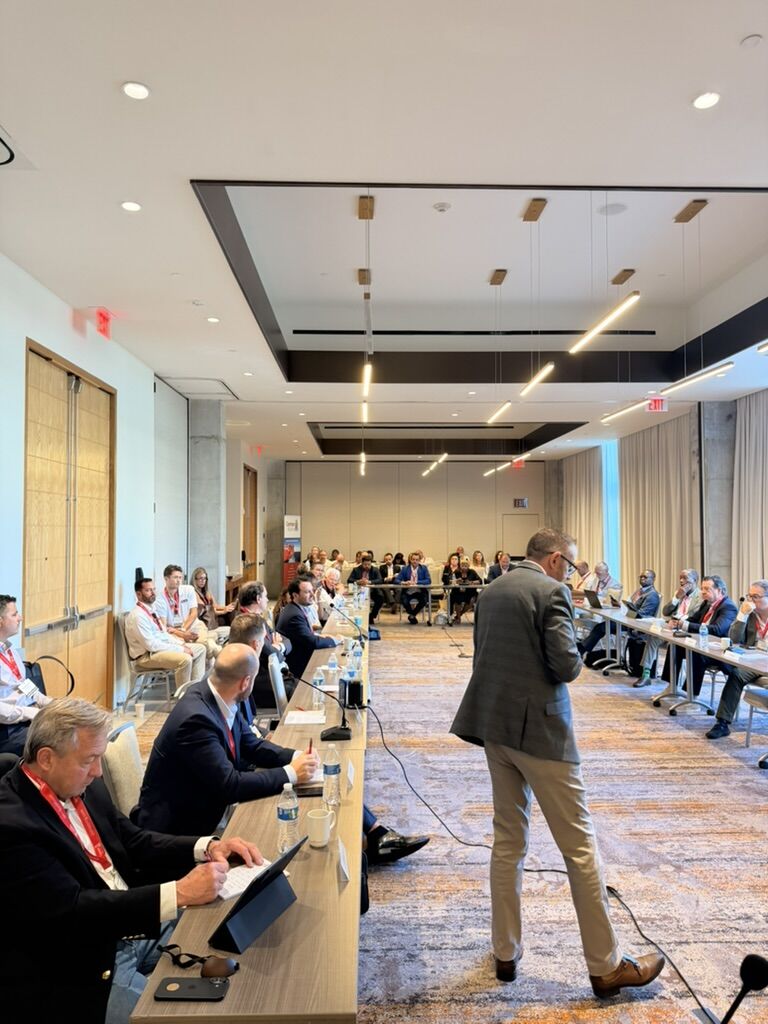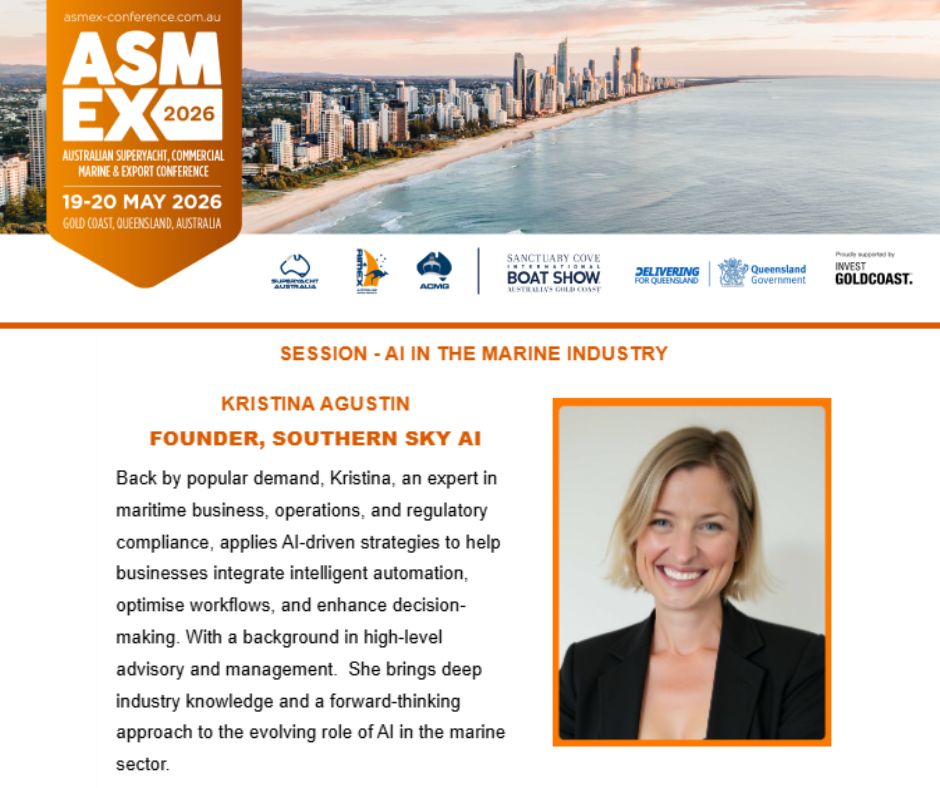
Recorded live at the Australian Superyacht, Commercial Marine and Export Conference (ASMEX), Gold Coast, 19 May 2026.
For the written reflection that accompanies this talk, see ASMEX 2026: Twelve Months of AI.
Full transcript
So great afternoon. Hi, everybody. Our industry, as we know, is built on exceptionalism, and AI adoption demands the same This is the premise that underpins everything I do with Southern Sky AI. However, over the last year, my definition of what exceptional AI adoption looks like has changed on more than one occasion.
It's caused me deep existential thought and analysis. I've experienced that the capability of AI is roughly doubling every three to four months. At the same time, ninety-five percent of generative AI pilots fail to deliver measurable value. Further, while eighty-eight percent of organizations are using AI, only six percent are capturing meaningful value from it.
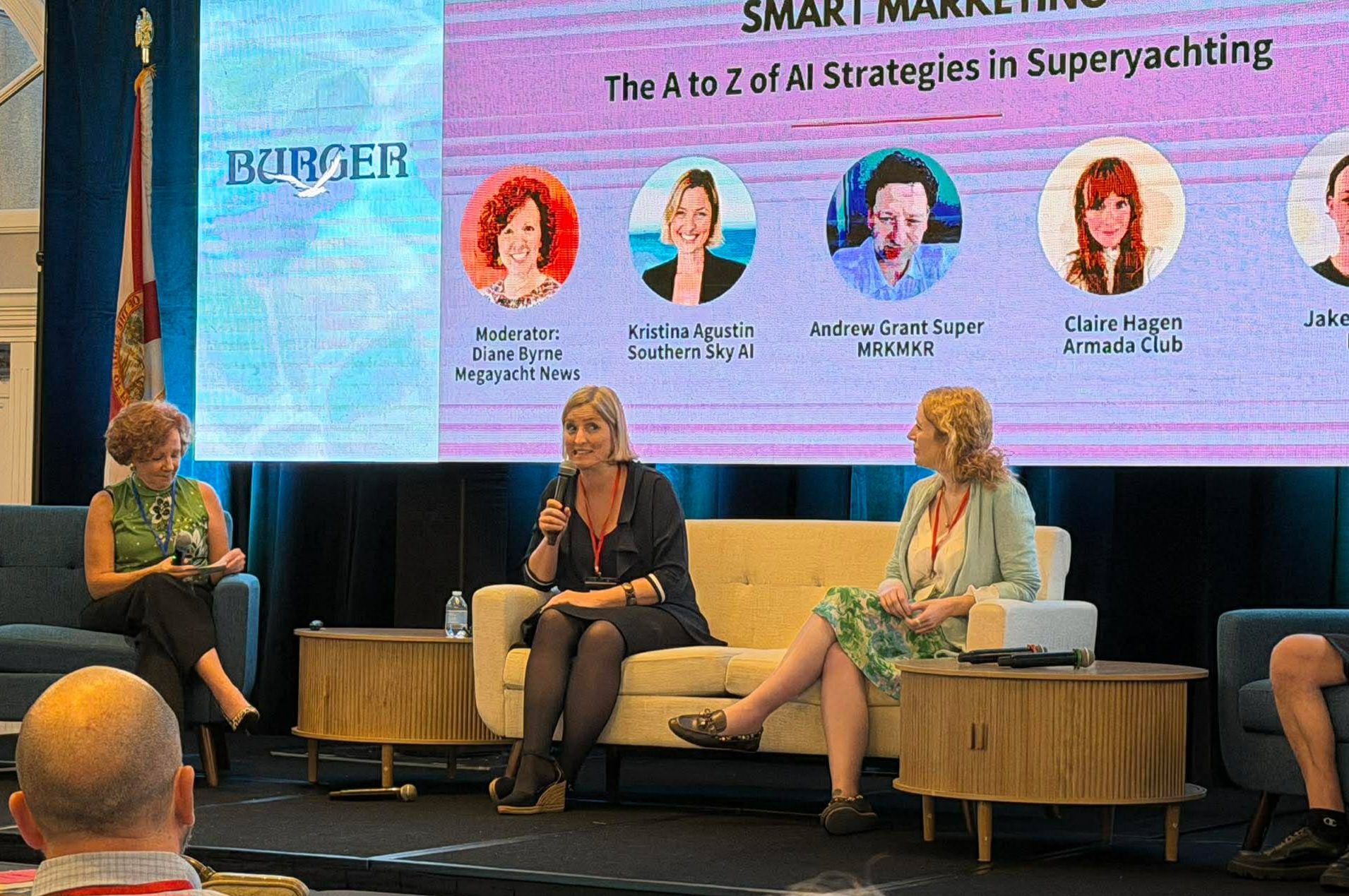
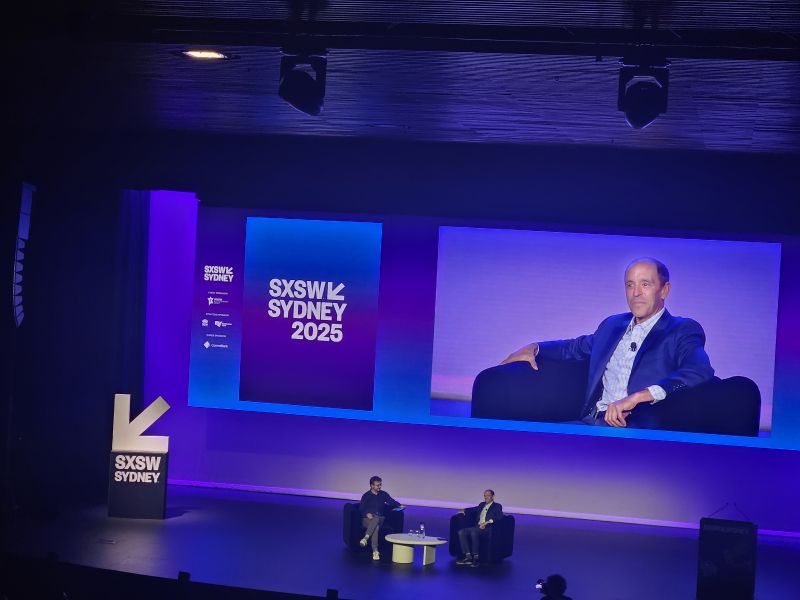
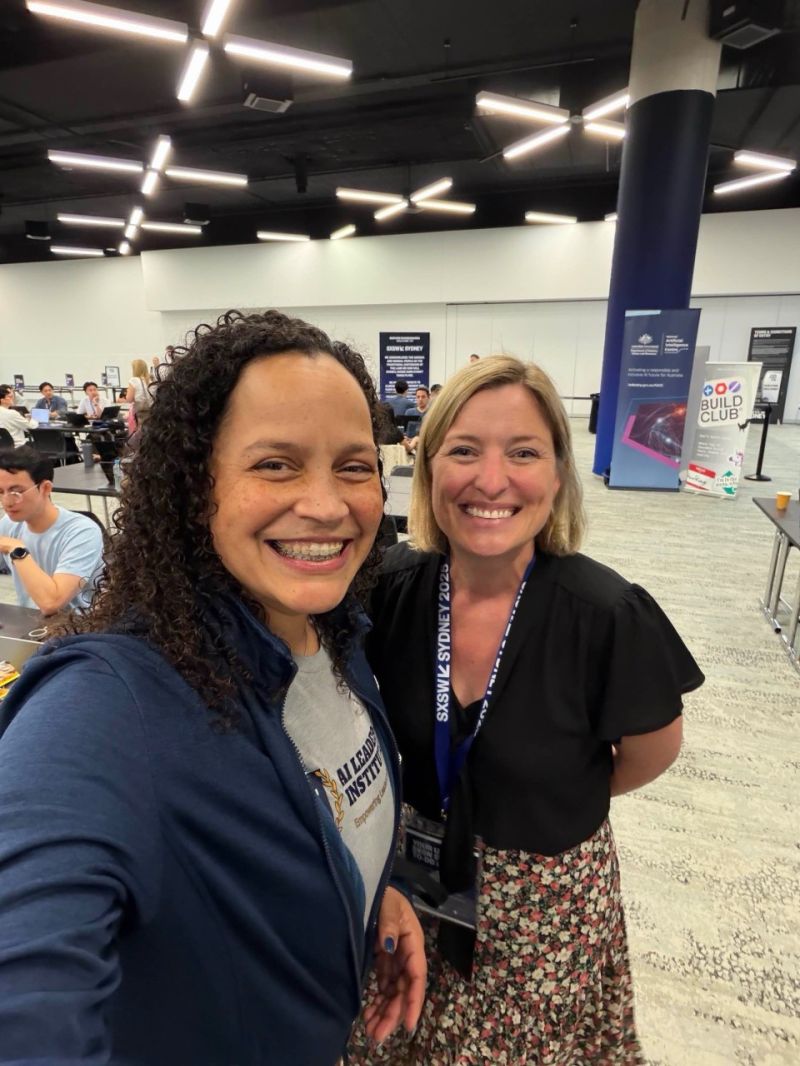
Given that my work is centered around successful AI adoption, this has sent me into a head spin. What is going wrong, and what can we do to fix it? I have some thoughts, and this is what I'd like to share with you. As David mentioned, over the past year, I've gathered my perspective from contributing to panels and conferences.
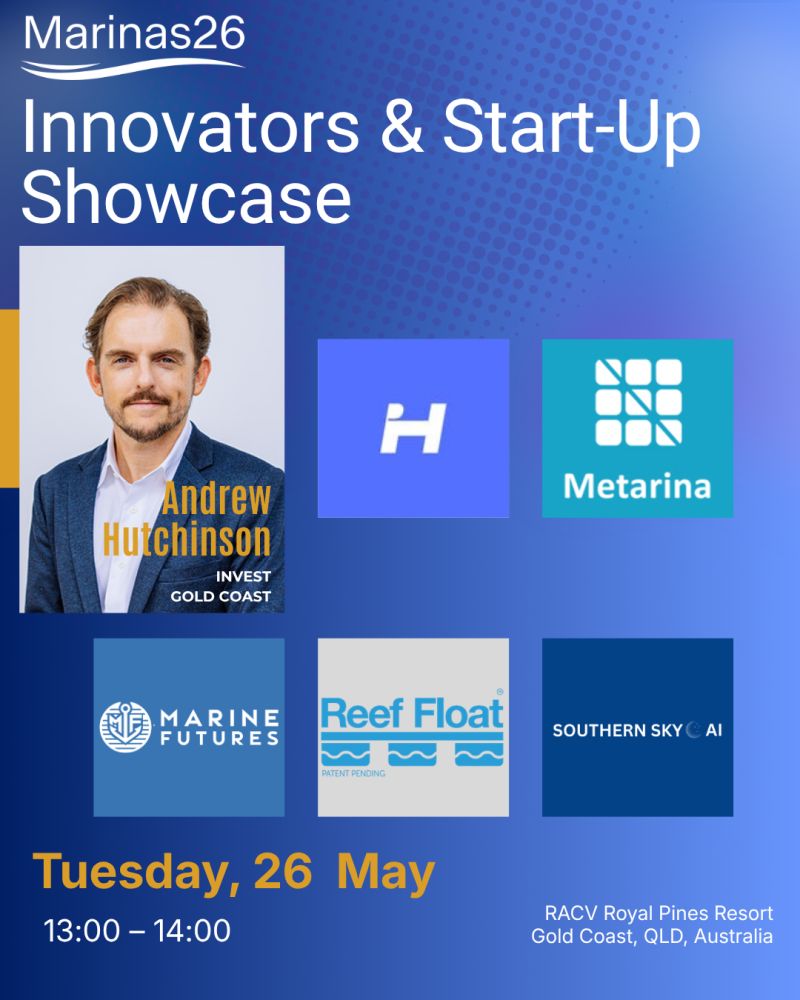
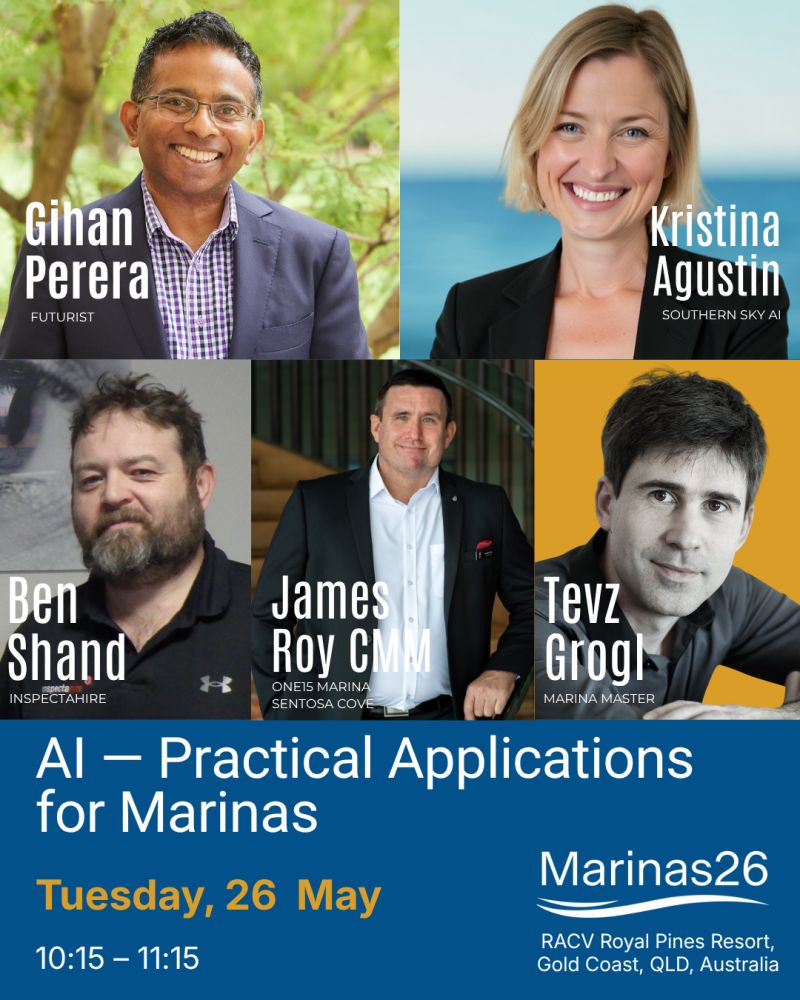
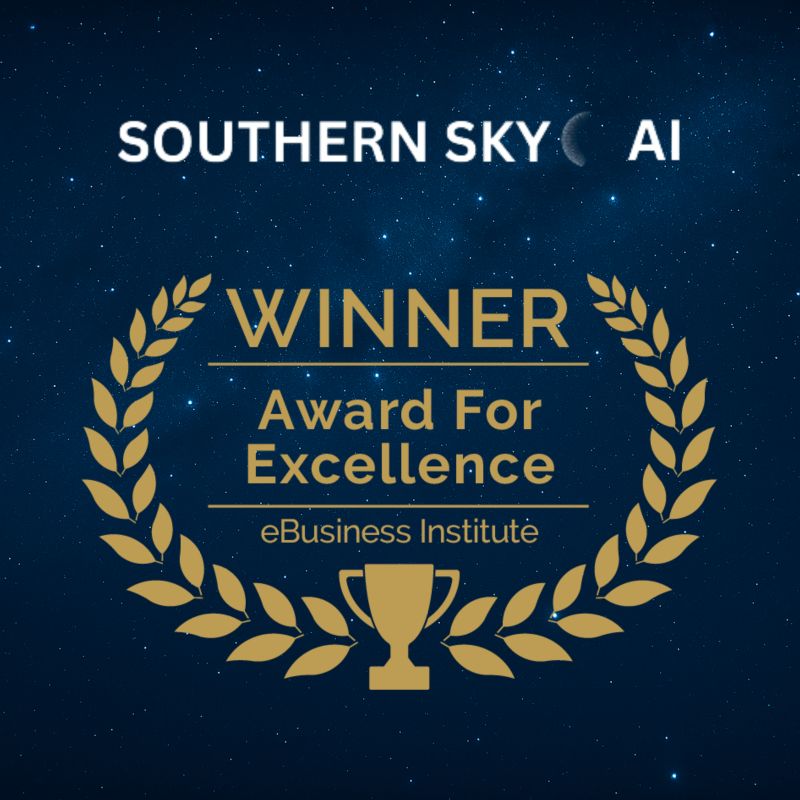
This month will be ten in both Australia and the US, participating in hackathons, mentoring, and diving deeper into my Master of AI, focusing on cybersecurity, supported by a scholarship from the Australian Academy of Technological Sciences and Engineering. Southern Sky AI has been recognized by the eBusiness Institute and listed on the National AI Center directory and is a finalist at the Innovators and Startup Showcase at Marinas26 next week. I've helped many of you in this room get started, and I've also been active in advisory work with super yacht businesses in the US and Europe, launching a few successful projects, failing on others, and learning a lot along the way. My favorite quotes I've collected over the last twelve months that have given me joy and reflection.
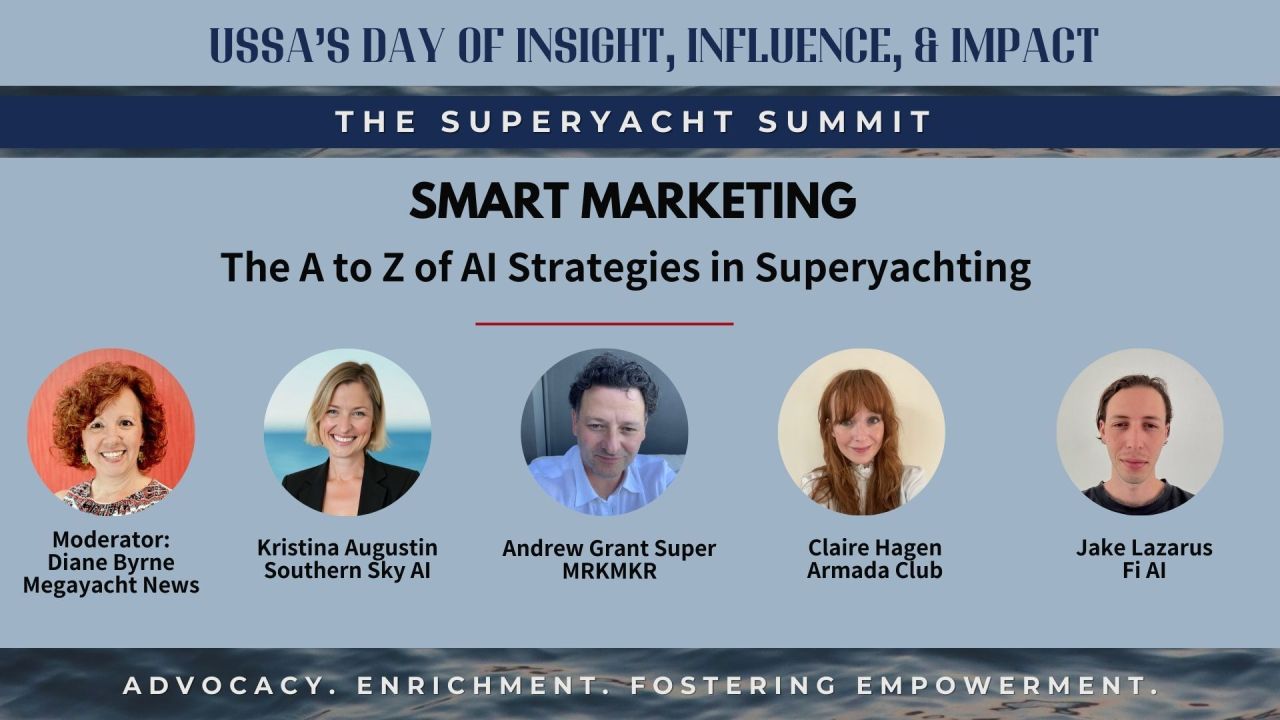
From an MIT symposium, "A sandwich is more regulated than AI," pointing to the speed and pace of tech and that regulations have not yet caught up. From my cybersecurity lecturer, "People keep saying you're not gonna get replaced by AI, but you might get replaced by someone who uses AI." That's like a farmer telling a horse, "You're not gonna get replaced by a tractor, but you might get replaced by a horse who drives a tractor." And in response to a question about whether people will revive the old way of doing things, my co-panelist, Jake Lazarus from Fi AI, replied, "It's kind of like vinyl, where people are buying back physical records. If you were making vinyl, you wouldn't have wanted to wait fifty years for it to come back into fashion. I wouldn't want to be the one waiting for the renaissance." Last year, I showed you an example of a digital twin.
Given what we've been able to achieve since, I would be embarrassed to show that to you today. The gap between what was state-of-the-art twelve months ago and what is normal now is enormous. Here is the last twelve months. May twenty twenty-five, where we left off.
Anthropic released Claude Four. Agents existed, but on the OS World Benchmark, which measures whether AI can complete real desktop tasks, Claude was scoring around forty-two percent. The capability was there, the reliability was not yet. July twenty-five, mentioned already, MIT published a study called State of AI in Business.
They looked at enterprise AI pilots across the US and found that ninety-five percent delivered no measurable impact on profit and loss. Nineteen out of twenty pilots, no measurable return. The headline was widely covered, but the cause was not. Hold that thought for later.
In August twenty-five, three things happened in the same month. Number one, the EU AI Act came into force, the first major AI law in the world. It puts legal duties on the companies that build AI and on the businesses that use it. To note, one specific obligation, Article four, requires that staff using AI inside your business have a sufficient level of AI literacy.
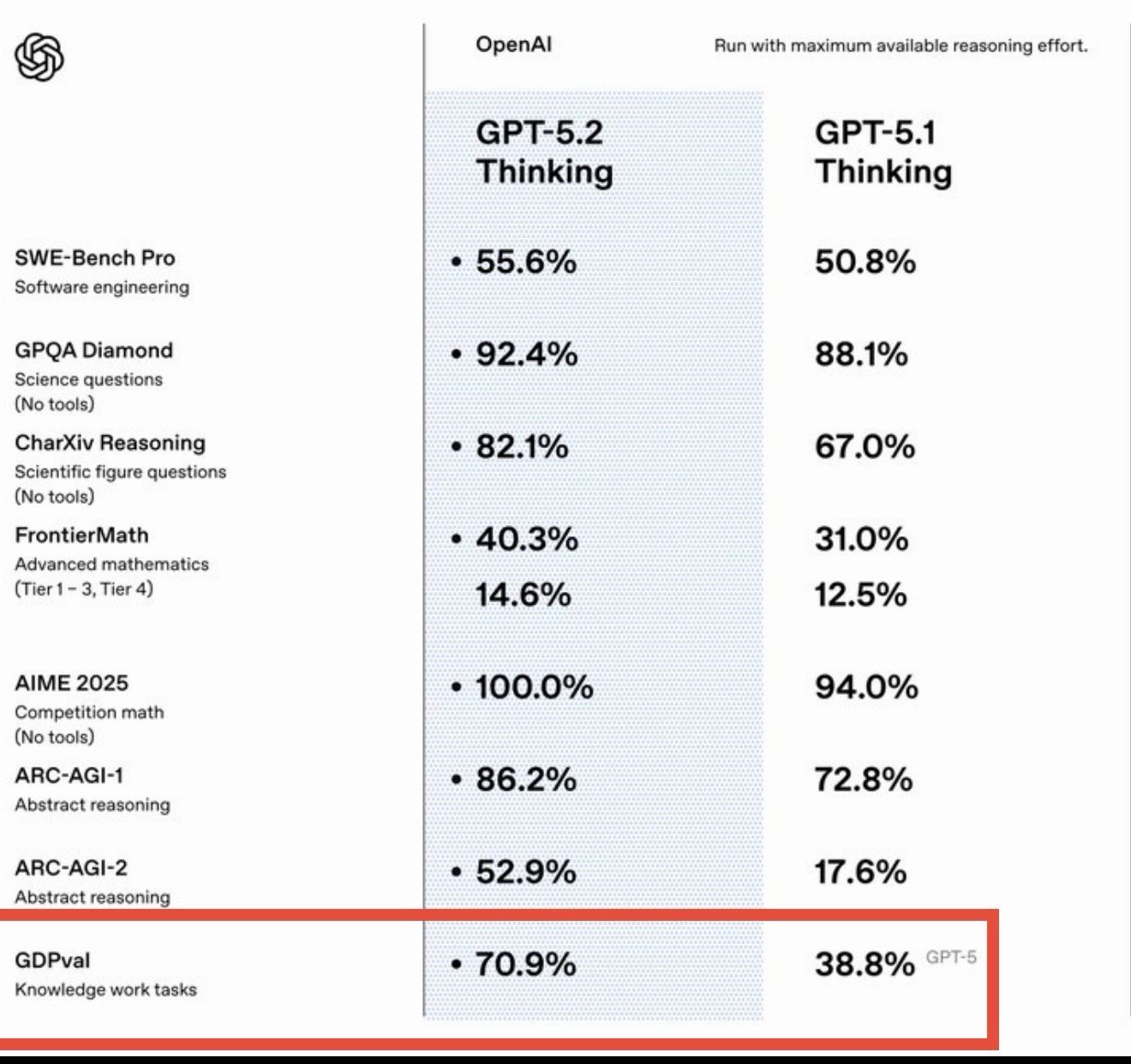
Enforcement begins August this year. If you have EU clients or EU flagged vessels, this may apply to you. Number two, OpenAI released GPT Five. Up until then, you picked how hard the model worked on your question.
Now, GPT Five makes that decision for itself. This may seem small, but the effect opened the door for higher reasoning capability, paving the way for agentic AI. And three, the acting director of the US Cybersecurity and Infrastructure Security Agency uploaded classified documents into the public version of ChatGPT. Even the people who should know best can make careless mistakes when it comes to security September '25 is when agents stopped being a demo and started being a real workforce capability.
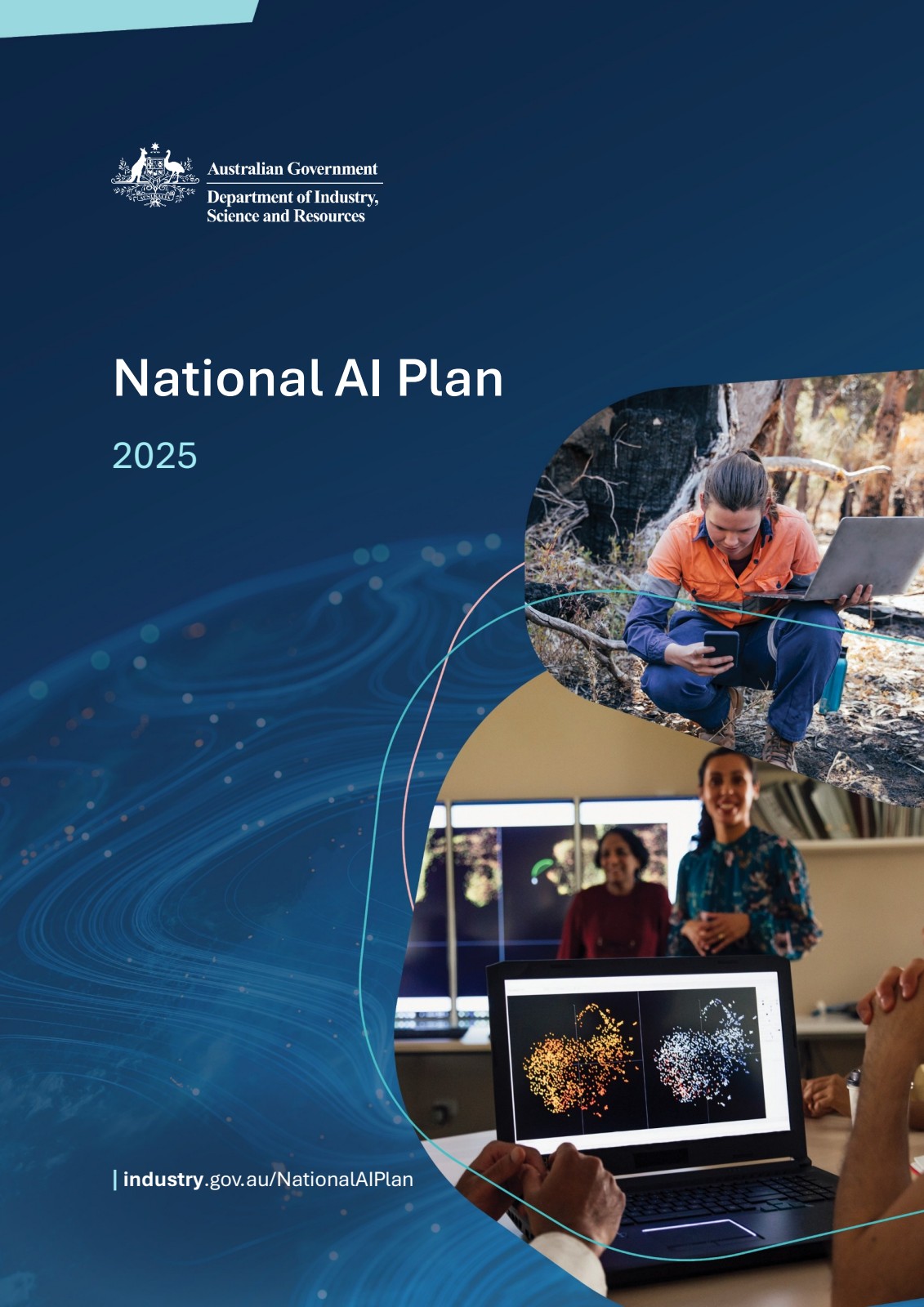
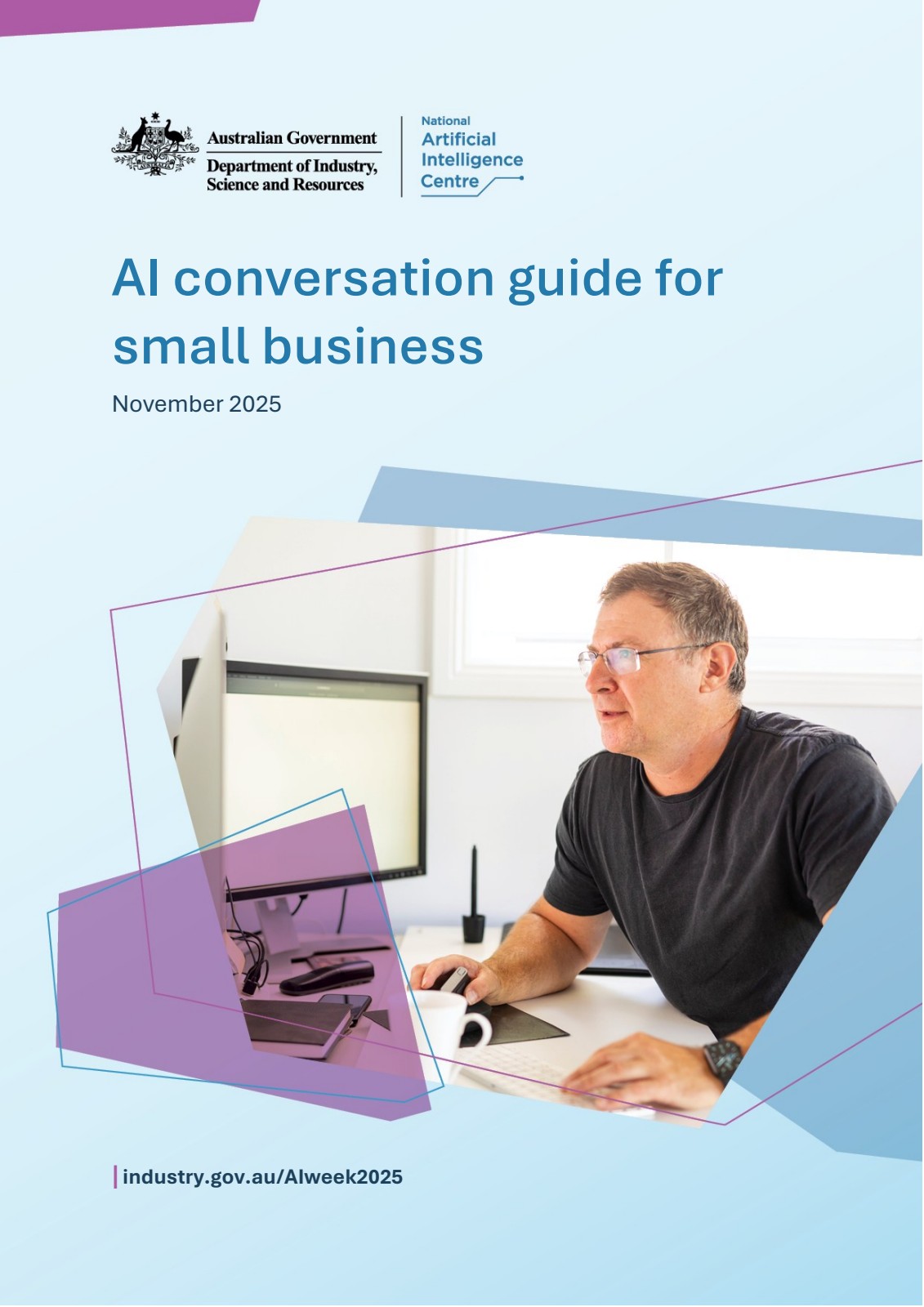
On that same OS World Benchmark where Claude was scoring forty-two percent in May, Sonnet four point six reached seventy-two point five percent at human baseline. In less than eighteen months, AI went from failing most desktop tasks to performing at human level on most of them. In October '25, Australia started taking AI adoption seriously. The Australian government published guidance for AI adoption, then the National AI Plan in December.
The pivot from caution to capability is now formal government policy. Changes to the Privacy Act coming too in December this year. More on that shortly. November '25, this is when organizational AI inside Microsoft three sixty-five became real.
Microsoft Agent three sixty-five was announced. Every AI agent gets its own identity, audit log, and security policy. Copilot Studio now connects to fourteen hundred enterprise systems. Even while this huge capability is demonstrated, in the same month, McKinsey Consultants published State of AI twenty twenty-five.
Among almost two thousand organizations in just over eighteen countries, eighty-eight percent are using AI, but only six percent qualify as high performers, meaning AI is delivering more than five percent improvement to their bottom line. Eighty-eight percent in, six percent out. A stark difference. Hold that thought for later too.
In December '25, Anthropic donated MCP, meaning Model Context Protocol, the technical standard that lets AI tools connect to your email, your documents, et cetera, to a neutral foundation. Anthropic owned it, then gave it away. Every major AI vendor signed on as a co-steward. It's now shared infrastructure that everyone can build on.
This is the technical reason organizational AI is now possible in a way that it was not last year. February 26 is when how you talk to AI fundamentally changed. Claude Opus 4.6 shipped. It can run autonomously for fourteen hours on a single task, and it brought in something the industry calls context engineering.
A year ago, people built whole careers on prompt engineering. The models have got so much better at understanding what you mean that the prompt matters less. What matters now is what you give the model to work with, your documents, your data, your context. So you can stop trying to write the perfect prompt, but you now need to start by giving the model the right context.
In March this year is when the door truly opened for Microsoft locked organizations, which I see as a game changer. Microsoft also launched Copilot Cowork this month, an autonomous agent that works across Word, Excel, Outlook, and Teams. Anthropic became a Microsoft subprocessor. Claude now runs inside Microsoft tenants under the company's existing Microsoft contract with no new vendor approval needed.
For a lot of maritime organizations, procurement was the thing blocking them. Now they don't need approval. A note on GDPR, Anthropic does not yet have data processing available in the EU, so good to check in your setup if this applies to you. Last month in April is when we crossed a threshold.
Anthropic shipped Claude Opus 4.7. It reached seventy-eight percent on OLSW above the human expert baseline. Twelve months ago, as you remember, this benchmark sat at forty-two percent. The same release previewed Mythos, a model trained to find security vulnerabilities autonomously.
It found thousands of previously unknown vulnerabilities across every major operating system and browser, including one in OpenBSD, one of the most security-hardened operating systems in the world that had been sitting there undetected for twenty-seven years. This release triggered the US Federal Reserve Chair and the Treasury Secretary to convene the heads of the major US banks to discuss what it means for the financial system. The model is not released to the public, and AI is no longer just tech news This month, in May, Microsoft Agent 365 is now generally available. The enterprise control pane for agentic AI is live.
And just last week, Anthropic Cla- launched Claude for Small Business, bringing pre-built AI workplace to businesses of any size 12 months ago, AI was a chat assistant. Today, it is identity managed agents taking multi-step actions inside your existing software, governed by audit logs with a regulatory perimeter and an industry standard underneath Given where we're at with technology advances, it just seems so wild that ninety-five percent of generative AI pilots fail to deliver measurable value. Eighty-eight percent of organizations are using AI, and only six percent are capturing, capturing meaningful value from it. That study was from July '25.
More recent research has confirmed it. Writer's 2026 survey six weeks ago found seventy-nine percent of organizations now face challenges with AI adoption, up from sixty percent last year. Adoption is near universal, but value capture is rare. This is the thing that I've been turning over in my head all year.
The technology's there, so what is going wrong and what can we do to fix it? These are seven things I've noticed working with maritime organizations this year. One, I've noticed a misunderstanding between organizational AI and individual subscriptions. When an organization tells me they're using AI, often what they mean is that some team members have personal subscriptions like ChatGPT or another.
Each person on their own account, sensitive data leaving the controlled environment, no audit trail, no consistency. The organization believes it's using AI, but in reality, there are nine private workflows nobody can see, audit, or govern. An enterprise subscription is closer to the right thing, but it's still not the same as organizational AI adoption. Here is the way I like to think about this.
There are two kinds of AI adoption. Number one is personal AI capability. That's the individual getting faster. Individual subscriptions, personal prompts, each person works with it.
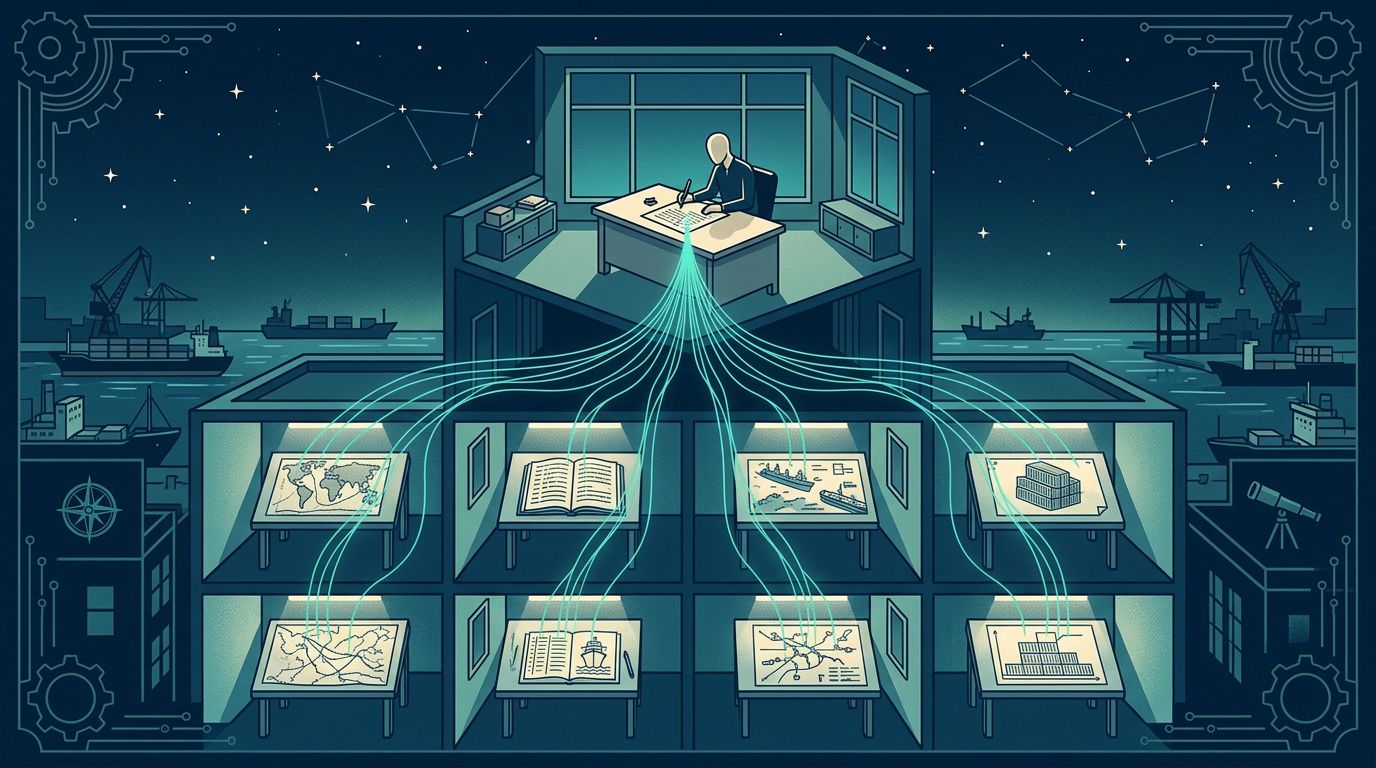
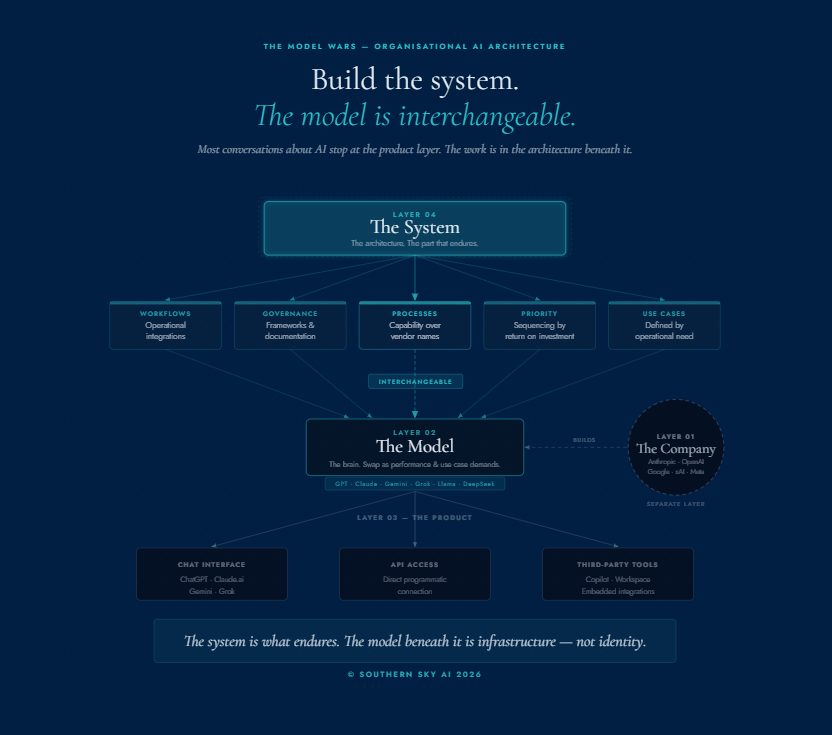
Personal case capability lifts, and that's great, and it's important, and often the first step. Structural AI adoption, however, is the second, and it means that the business itself is changing. Mapped systems where AI already lives in your organo- operation, documented processes, knowledge out of heads and into a form the organization can use. A governance framework, policies, boundaries, accountability, workflows and integrations, AI inside the operation.
Defined use cases built from operational need, not what subscriptions you can buy. Most leaders are doing one when they need to be doing both. The question of where AI fits, what it connects to, who governs it, that is bigger than which subscription you buy, and it's a completely different animal. Two, I've noticed a misunderstanding about how you access AI.
People think AI is the chat window. It's not. The best analogy I could come up with is a food truck. The kitchen inside the food truck is the intelligence.
That's the brain, the AI. The question is how you get to it. The chat window is the front of the truck. You queue, you order, you wait.
That is what most people mean when they say they're using AI. Plugging AI into your systems through something like an API is a different access point. You're the Uber Eats driver. You go to the side door, the sta- the staff hand the order directly to you.
Same kitchen, same intelligence, faster, and plugged into the flow of your operation. When people say AI, they usually mean the front window, but the real value sits at the side door. And once you're at the side door, you start running into agents An easy way to remember what an agent does, I call it DROID. D is decide.
The agent decides what it is you're asking it to do. R and O are reach out. The agent connects to tools, gathers information, collects what it needs to do the task. I is iterate.
It marinates on the information to produce a result. And D is deliver. It puts the information or analysis into a form that you request. One agent does one thing.
The real power is when you chain them together. Many agents taking small pieces of the work to produce a more complex result with a human in the loop checking the work Three, I've noticed people have a very limited understanding of what AI governance is, which is fair enough because I didn't really understand it either to start with, and I'm a lawyer. The term is confusing. AI governance is the whole system you can put around AI in your business.
It includes a policy, the rules about who, who can use AI, what they can put into it, what is allowed, what it's allowed to do with company data. But it's more than just the policy. It's also what gets tracked, logged, whether decisions made with AI can be reviewed six months from now, whether your team knows AI was used, whether your clients know, who is accountable when something goes wrong, and how often the rules get revisited as the technology changes. A policy is the speed limit sign.
Governance is the sign plus the camera, the license points, and the review of road safety every five years. A sign on its own does nothing if nothing is tracking it. Most people in the industry are deeply aware of the sensitivity of owner and client data. Most have not known how to engage with AI without accidentally leaking private information, so they've either not used AI at all or used it on best judgment Best judgment is not a policy.
It's not defensible, trackable, or repeatable. The existing regulations still apply, like data residency, privacy laws, and GDPR. In Australia, if your turnover is above three million, you're an APP entity. From the tenth of December this year, you must disclose what personal information your AI systems use, the kinds of decisions they make, and where those decisions could significantly affect someone's rights or interests.
The obligation captures systems you already have running today. The speed limit sign has been there for years. From December, the camera goes live Four. I've noticed AI is already being used invisibly in almost every organization I've met with, and it's more than just data risk.
A recent conversation with a maritime CEO described it as a habit risk. People are getting stuck in habits with certain tools that may not be ideal for their entire operation and using them in ways leadership does not understand. By the time leadership decides to implement a strategy around certain tools and systems, the behavior has hardened and change management becomes more challenging. McKinsey found that employees are using AI three times more than the leaders think they are Five, context matters more than prompting now.
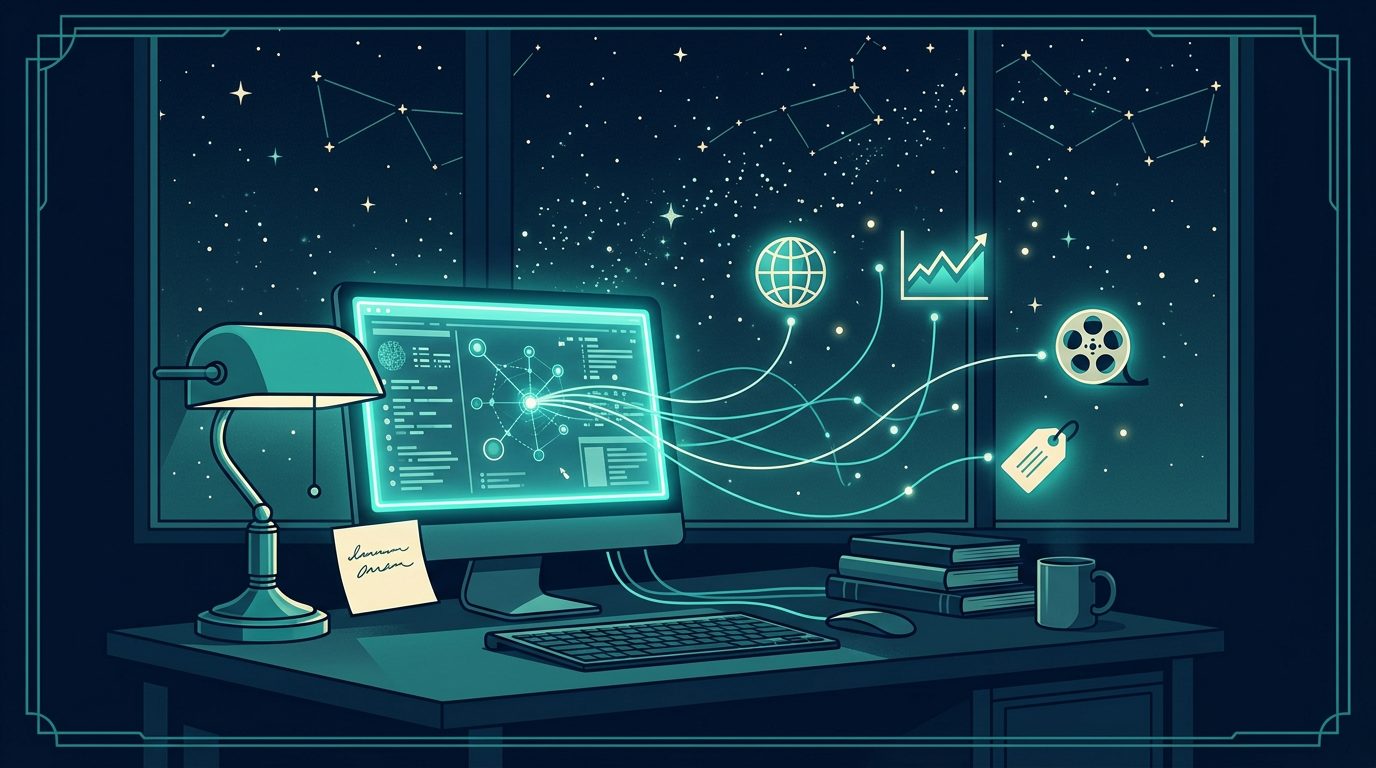
I've mentioned this already, but a year ago, we were learning to write good prompts. Today, the models work out what we mean. What matters now is the context, your documents, your data, your written instructions, locked and loaded, so it injects into everything you do. This is not the same as uploading documents to a chat or how your model starts to know your preferences over time.
Context engineering is deliberate. You decide what the model sees when and in what order, and you design your systems around it Six, how your business has found is, has changed. AI chat windows are answering questions on behalf of users instead of returning ten blue links like the days of traditional SEO. Whether your business is discovered depends on whether AI's picture of your entity is accurate, complete, and consistent across every platform.
I had to do this work for myself. There's another Kristina Agustin. She's a California realtor. Until I strategically addressed this, Google AI could not tell which me was connected with Southern Sky AI and which was a realtor.
I was not impressed and took this on as a personal mission to rectify to my family's entertainment. Being findable in twenty twenty-six is making sure that AI knows exactly who you are, what you do, and which Kristina is the right one. And seven, my last learning, and this is the hardest one to say The chasm is widening. The people I talk to in the AI community are losing sleep over this.
They're running at a level of detail and pace that the leaders in maritime organizations I work with have had very little time to track. The gap between those two worlds is widening You can do everything you can to learn AI on your own, but I say this as gently as I can, you will not get there with the time and focus available unless you do one of three things. One, free up more of your own time to focus on this. Two, nominate someone in your organization and free up their time to focus on this.
Or three, work with someone external like me, who can filter what you need to know and turn it into something you can put into practice The major AI labs are noticing this too. Two weeks ago, on the 4th of May, OpenAI and Anthropic both announced multi-billion dollar consulting ventures. OpenAI launched a ten billion deployment company. Anthropic announced its own services firm backed by Blackstone, Goldman Sachs, and Sequoia.
Combined, that is eleven point five billion targeting the consulting industry. The same week, Anthropic also launched Claude for Small Business, thirty-one pre-built workflows for cash flow, payroll, invoice chasing, plugged into QuickBooks, PayPal, HubSpot, Microsoft three sixty-five. The labs are reaching directly into the market because they know the gains have been slow. Here is what this tells me.
The two most valuable AI companies in the world just spent eleven point five billion agreeing that you cannot deploy AI without humans embedded in your business. The technology is not the bottleneck, the deployment is. And this is where it gets interesting for our industry. Pre-built workflows like those from Anthropic are for general business.
What they cannot do is understand the regulatory weight of an ISM audit or the seasonal rhythm of a charter operation, or the weight of ship's information that's not necessarily confidential, but whose disclosure carries reputational risk. Pre-built is the floor. Maritime specific is the ceiling. The work I do sits in between these two, and that's why I do what I do, and it's also why I think we can fix the ninety-five percent problem There's a silver lining here.
If we look at how AI adoption actually succeeds, this is what we know. Three things have to be aligned for AI to deliver value. One, domain expertise. The knowledge of your industry, how your business runs, what the regulations require, what the operational rhythm of a season looks like.
Two, human adoption. How people work in practice. The trust your team needs in a tool before they will rely on it. The accountability your clients expect.
The policy that gets followed, not the one that sits in a folder nobody opens. And three, technology. The models, platforms, agent orchestration, and the audit and governance layer. When all three come together, and only when all three come together, AI adoption succeeds.
When one is missing, here's what happens. If you have domain expertise and human adoption but no technology, you get invisible adoption. People are using AI on their own with no structured governance or organizational benefit. This is most of our industry right now.
If you have domain expertise and technology but no human adoption, you get built but unused. The tool gets bought, the investment gets made, nobody uses it. The investment is wasted. If you have human adoption and technology but no domain expertise, you get the wrong problem solved.
Generic AI applied to a specific operation, the wrong solution provided. This is what happens when vendors lead. And here's the encouraging part. Most of us in this room already have a head start on two of the three.
We understand our industry deeply, and we know how to bring teams along through change. What's missing is the integration piece. Domain expertise on its own is not enough. The work is in taking what you know about your operation and translating it into how AI gets deployed inside it.
That's the bridge most organizations have not yet built. Vendors do not necessarily have your operational knowledge, and your team does not yet necessarily have the AI knowledge. The integration sits in the middle, and that's the work I help with. And this is where I think the ninety-five percent figure comes from.
Pilots fail when domain knowledge and AI capability never actually meet Writer's survey mentioned earlier found in organizations with a formal AI strategy, eighty percent of executives said that they've been very successful at adopting AI. Without one, that drops to thirty-seven percent. Structure is the difference between AI working for you and AI working you over. And there's real promise here, which I don't wanna lose sight of.
If you take the marina sector as a well-researched example, the US marina sector, operators lose fifteen to twenty hours every week to manual data entry. US, forty-seven thousand a year inefficient systems. Seventy-three percent still run critical operations on spreadsheets. Operators using AI are reporting forty percent less admin time, twenty-five percent more occupancy, and twenty-five percent more jobs completed weekly.
We don't have the same measurements for the rest of our industry, but we can reasonably expect the pattern to hold. These are documented. What it takes is structure, a plan, dedicated time, and focus This last year's caused me deep existential thought and analysis on more than one occasion. I'm excited by the possibilities and the pace of the technology.
I'm moved by the governance gap, and I'm motivated by the fact that the window to do this well is still open. It's possible to adopt AI in your organization now deliberately, with structure, and in control. I've put together a resource page for ASMECS, where you can find a copy of the presentation and additional resources, uh, under the QR code. And one more thing, as David mentioned, this conference marks the first anniversary of Southern Sky AI.
I've already had the privilege of working with many of you here on getting started. But to mark the year, I'm offering a Compass AI pilot to founding attendees of this conference first, which is a short, focused engagement that produces one working AI agent for your one task in your business, so you can see what's possible inside your own operation before deciding anything else. Due to the nature of the work, capacity is capped, so there is a booking link for, um, on the calendar under the QR code, and you're always welcome to email me directly. Our industry is built on exceptionalism, and AI adoption demands the same.
Thank you.